

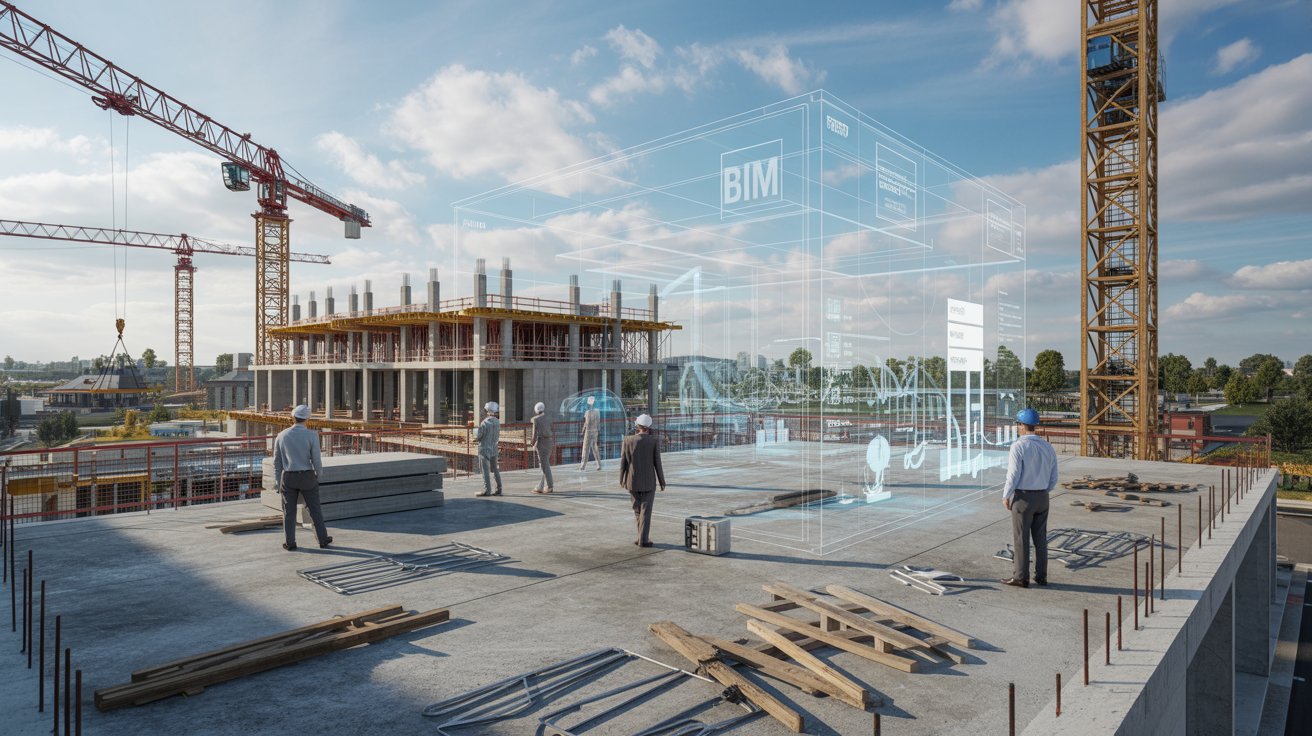
The construction industry is at a turning point. As cities rise and infrastructure expands, the demand for sustainable, energy-efficient buildings has never been higher. Governments, developers, and architects across the world are embracing a new standard where carbon reduction and sustainability are not optional but essential.
At the heart of this transformation lies Building Information Modeling (BIM), the digital backbone of the Green Revolution in construction.
The Carbon Challenge in Construction
The construction and built environment sector accounts for nearly 40% of global CO₂ emissions, including both operational and embodied carbon. Traditional workflows—fragmented data, inefficient material usage, and reactive decision-making—make it hard to track and control carbon impact.
That’s where BIM steps in. By creating a digital representation of a building’s physical and functional characteristics, BIM makes it possible to design, simulate, and optimize every aspect of a project with sustainability in mind before a single brick is laid.
Designing for Sustainability from Day One
With BIM, sustainability starts at the conceptual design stage. Architects and engineers can simulate and analyze various design alternatives, adjusting orientation, material choices, and mechanical systems to minimize energy consumption and carbon output.
Key BIM tools such as Autodesk Insight, Revit’s Energy Analysis, or Bentley’s OpenBuildings allow professionals to:
- Evaluate energy efficiency and daylighting performance
- Compare sustainable materials with different embodied carbon values
- Integrate renewable energy systems into early-stage design
By merging data-driven insights with creativity, BIM empowers teams to make greener decisions that last for decades.
Sustainable Material Management Through BIM
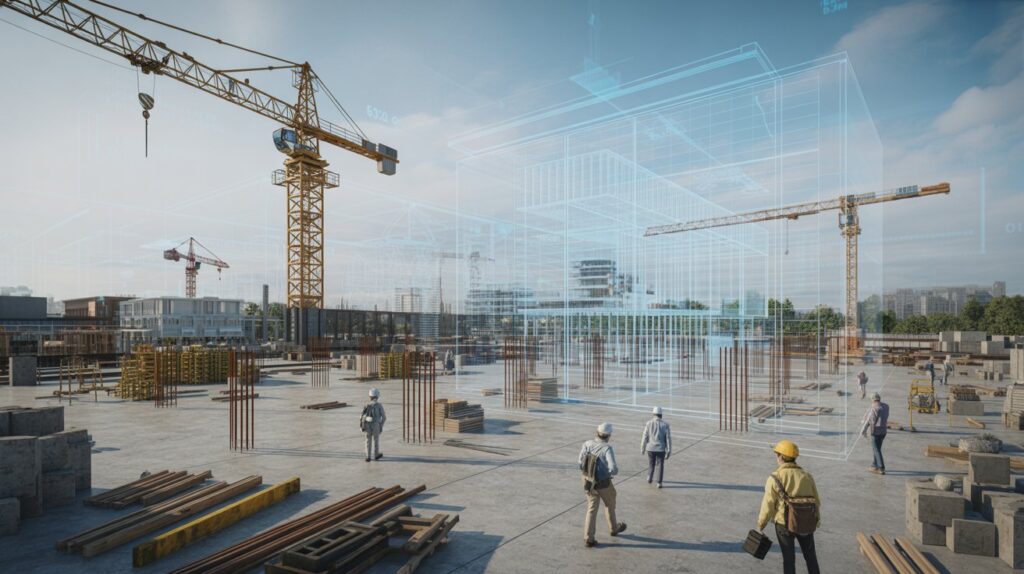
Material selection and management play a crucial role in reducing embodied carbon—the emissions from manufacturing, transporting, and installing building materials.
Through BIM’s material database integration, teams can:
- Quantify carbon footprints per material type
- Choose locally sourced or recycled materials
- Optimize logistics to reduce transportation emissions
Additionally, 4D and 5D BIM modeling help visualize time and cost impacts of sustainable choices, ensuring eco-friendly decisions don’t derail project timelines or budgets.
Life-Cycle Assessment and the Power of Digital Twins
The impact of BIM doesn’t end once construction wraps up. With Digital Twins, the virtual model continues to evolve alongside the physical building. Real-time data from IoT sensors allows facility managers to monitor performance, predict maintenance needs, and reduce energy waste, turning sustainability into a continuous process.
By combining BIM with Life-Cycle Assessment (LCA) tools, stakeholders can:
- Evaluate carbon impact across the building’s entire lifespan
- Track operational efficiency in real-time
- Plan end-of-life recycling or material recovery strategies
This holistic approach ensures buildings stay efficient, sustainable, and low-carbon from design to demolition.
BIM: The Bridge to a Net-Zero Future
The Green Revolution in construction isn’t just about designing sustainable buildings; it’s about transforming the entire project ecosystem. BIM serves as the digital foundation that connects all stakeholders—architects, engineers, contractors, and facility managers—under one shared goal: building responsibly.
As governments tighten carbon regulations and investors prioritize ESG (Environmental, Social, and Governance) metrics, companies leveraging BIM for carbon tracking and sustainability analysis are not just compliant—they’re future-ready.
Partner with PointcloudBIM — Your Green BIM Experts
At PointcloudBIM, we help businesses transform their construction projects through data-driven sustainability and precision BIM services. Our team specializes in:
- BIM Modeling & Coordination for architectural, structural, and MEP systems
- Scan-to-BIM Solutions converting point cloud data into accurate, intelligent BIM models
- Sustainability Integration embedding carbon analysis and LCA insights directly into the BIM workflow
- Digital Twin Implementation for real-time building performance tracking
Whether you’re planning a new project or retrofitting an existing one, we’ll help you leverage BIM to cut carbon, optimize design, and meet your sustainability goals.Let’s build a greener future, together.
Contact us: info@pointcloudbim.com
Visit us: www.pointcloudbim.com
No responses yet